
Understanding the Dark Web
The dark web is a hidden part of the internet that requires special software and configurations to access. Unlike the surface web, which is easily accessible through standard browsers, the dark web offers a layer of anonymity for users and websites. This anonymity can be used for both legitimate purposes, such as protecting privacy and freedom of expression, as well as for illicit activities. Understanding how to safely browse the dark web is crucial for those interested in exploring this obscure corner of the internet, highlighting the importance of security measures and responsible navigation.
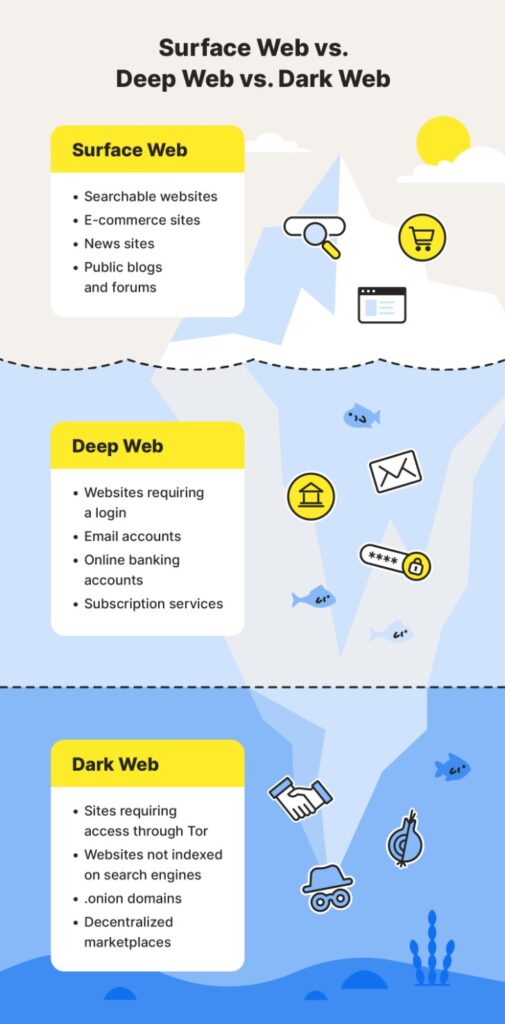
Difference Between Deep Web and Dark Web
Browsing the dark web involves exploring parts of the internet that are not indexed by standard search engines and require specific tools for access. It is often associated with anonymity and privacy, making it a unique area for various activities. However, understanding the difference between the deep web and the dark web is crucial for anyone interested in navigating these hidden parts of the internet.
The deep web encompasses all online content that is not indexed by traditional search engines. This includes private databases, academic resources, email accounts, and personal information that are protected or password-protected. The deep web is significantly larger than the surface web, which is visible through standard search engines, and it is mainly used for legitimate purposes such as secure communications and private data storage.
In contrast, the dark web is a small, intentionally hidden section of the deep web that requires specialized software and configurations, such as using the Tor browser, to access. It is often associated with illegal activities, such as black markets, illicit trading, or confidential data exchange, but it also serves as a vital space for activities requiring anonymity, such as journalism and activism.
When browsing the dark web, users should exercise caution due to potential risks and ensure they are aware of legal boundaries and safety measures. Understanding these differences helps users better navigate the complex layers of the internet and use the dark web responsibly and securely.
- Deep Web: Contains non-indexed content like personal emails, private databases, and protected content. It is accessed through direct links or passwords and is used mainly for privacy and security.
- Dark Web: A subset of the deep web that is intentionally hidden and accessible only through special tools like the Tor network. It often hosts anonymous websites and forums, some of which are involved in illegal or confidential activities.
Purpose and Functionality of the Dark Web
The dark web is a hidden part of the internet that is not accessible through standard search engines or browsers. It operates on a collection of encrypted websites that require specific software and configurations to access. This section of the internet is often associated with privacy, anonymity, and sometimes illegal activities, but it also serves legitimate purposes such as protecting privacy for whistleblowers, political activists, and journalists in oppressive regimes.
The purpose of the dark web extends beyond illicit transactions and activities. Many users browse the dark web to communicate securely without fear of surveillance, or to access information and services that are censored or restricted in their countries. It provides a platform where users can share sensitive information anonymously, which can be crucial for freedom of expression and protection of privacy in certain contexts.
The functionality of the dark web is based on encryption and anonymity networks, most notably the Tor network. When browsing the dark web, users connect through specialized browsers that route their traffic through multiple servers before reaching the destination, making it difficult to trace their location or identity. This layered approach ensures a high degree of privacy; however, it also means that activities on the dark web can be difficult to monitor or regulate.
While exploring the dark web can be useful for privacy-conscious browsing and accessing censored information, it is important to approach it with caution. Due to the presence of illegal activities and dangerous content, understanding its purpose and functioning helps users navigate safely and responsibly. Whether for maintaining privacy or researching specific topics, browsing the dark web requires careful consideration and awareness of its unique environment.
Legal and Illegal Activities on the Dark Web
Browsing the dark web involves accessing parts of the internet that are not indexed by standard search engines and require specialized software, such as Tor, to connect. This hidden segment of the internet offers a space for both legitimate activities and illicit endeavors. Understanding the dark web is crucial for anyone interested in exploring it, whether for research, privacy reasons, or curiosity. However, it is essential to be aware of the legal and illegal activities that take place within this environment to navigate safely and responsibly.
The dark web is often associated with illegal activities, including the sale of stolen data, illegal drugs, weapons, and counterfeit documents. These activities are typically conducted in secrecy to evade law enforcement and protect the identities of those involved. Because of the anonymous nature of the dark web, criminal enterprises can operate with relative impunity, making it a hub for illicit trade and cybercrime.
On the other hand, the dark web also hosts numerous legitimate and legal activities. Activists, journalists, and whistleblowers often use it to communicate securely and share sensitive information while maintaining their anonymity. It also serves as a platform for privacy-focused individuals who seek to protect their online identities from surveillance. Browsing the dark web with ethical intentions and an understanding of its risks can allow access to valuable information without supporting illegal enterprises.
To responsibly browse the dark web, users should be aware of the distinction between legal and illegal activities and exercise caution. It is advised to avoid engaging in any illegal transactions and to be mindful of privacy and security practices. Staying informed about the potential risks and adhering to legal guidelines ensures a safer experience while exploring this complex and often misunderstood part of the internet.
Accessing the Dark Web
Accessing the dark web involves navigating a hidden part of the internet that is not indexed by traditional search engines. It requires specialized tools and knowledge to ensure safety and anonymity. Many users explore the dark web for various reasons, including privacy, secure communication, or research. Understanding how to browse this discreet network safely is crucial to avoid risks and security threats. By using appropriate tools and techniques, you can access sites and resources that are otherwise unavailable through regular browsing. For instance, visit trusted sources to learn more about browsing the dark web securely and responsibly.
Required Tools: The Tor Browser
Browsing the dark web involves accessing a hidden part of the internet that is not indexed by standard search engines and requires specific tools to ensure privacy and anonymity. It is a place where users can explore without revealing their identity, but it also demands caution due to the presence of illegal activities and dangerous content. To access the dark web safely, the most commonly used tool is the Tor Browser, which allows users to connect to this confidential network securely.
The Tor Browser is designed to route your internet traffic through multiple volunteer-operated servers, known as nodes, making it difficult to trace your online activities back to you. This layered approach to encryption provides strong privacy protections, enabling users to browse the dark web with greater security. It is essential to download the Tor Browser from official sources to avoid compromised versions that could jeopardize your anonymity or security.
Before starting your journey into browsing the dark web, ensure that your device is properly secured by keeping your software updated and avoiding the use of personal information. When using the Tor Browser, refrain from logging into personally identifiable accounts or sharing sensitive data. Remember that while the dark web can offer valuable information and privacy, it also hosts unlawful content, so responsible browsing is crucial. By understanding and utilizing the right tools, you can explore this hidden part of the internet more safely and effectively.
How Tor Ensures Anonymity Using Onion Routing
Browsing the dark web can offer access to a hidden part of the internet that is not indexed by traditional search engines, often used for privacy-focused activities. To explore this mysterious online space safely and anonymously, many users turn to specialized tools like The Onion Router, commonly known as Tor. Tor is a free software that enables users to connect to the internet through a network of volunteer-operated servers, ensuring their online activities remain private.

At the core of Tor’s ability to preserve anonymity is a technique called onion routing. When a user sends a request, it is encapsulated in multiple layers of encryption, similar to the layers of an onion. This encrypted data is first sent to a randomly selected entry node (or relay), which decrypts only the outer layer and forwards it to the next relay in the chain. Each relay peels off a layer of encryption, revealing only the next destination, and passes the data along. This process continues until the request reaches the final relay, or exit node, which decrypts the last layer and transmits the request to the intended destination. Throughout this process, no single relay has knowledge of both the origin and the final destination, greatly enhancing user privacy.
This layered encryption system ensures that the user’s IP address and browsing activity are obscured, making it extremely difficult for anyone to trace their actions back to them. This is especially crucial when browsing the dark web, where anonymity is often necessary to protect users from surveillance or censorship. Overall, Tor’s onion routing method provides a robust mechanism for safeguarding identities, allowing users to explore the dark web with confidence in their privacy.
Additional Privacy Measures: VPNs and Security Tips
Browsing the dark web requires careful consideration of privacy and security to protect your identity and data. Since the dark web is often associated with illegal activities, it’s essential to take additional privacy measures before accessing it. Employing tools such as Virtual Private Networks (VPNs) and following security best practices can help ensure a safer experience while exploring this hidden part of the internet.
Additional Privacy Measures: VPNs and Security Tips
- Use a Reliable VPN: A trusted VPN encrypts your internet traffic and masks your IP address, making it more difficult for anyone to track your online activities. Ensure the VPN has a strict no-logs policy and provides strong encryption standards.
- Keep Your Software Updated: Regularly update your operating system, browser, and security software to protect against vulnerabilities that could be exploited by malicious actors.
- Utilize Secure Browsing Tools: Use privacy-focused browsers or configurations that prevent tracking and block unwanted scripts or malware from executing.
- Disable Scripts and Plugins: Browsing the dark web is best done with scripting and plugins disabled, reducing the risk of automatic identification or exploitation.
- Employ Tor Browser: The Tor network provides anonymity by routing your connection through multiple servers. Combining Tor with a VPN enhances privacy, creating a layered approach to hiding your identity.
- Avoid Sharing Personal Information: Never reveal real names, addresses, or other personally identifiable information while browsing the dark web to maintain your anonymity.
- Access Content Cautiously: Be cautious about clicking links or downloading files, as they may harbor malware or lead to illegal content. Staying vigilant minimizes potential security threats.
By implementing these privacy measures, users can navigate the dark web more securely, ensuring that their browsing remains as private as possible. Remember that browsing this hidden part of the internet carries inherent risks, and prioritizing security practices is essential for protecting your identity and data.
Navigating Dark Web Content
Exploring the dark web can be a complex and potentially risky endeavor, requiring an understanding of its unique environment and security considerations. It is a part of the internet that is not indexed by standard search engines and often hosts anonymous platforms and content that cannot be accessed through traditional browsers. For those interested in browsing the dark web, it is essential to approach with caution, ensuring proper safety measures are in place to protect your privacy and data.
Dark Web Search Engines: DuckDuckGo, Ahmia, Torch, and Others
Browsing the dark web involves accessing a hidden part of the internet that is not indexed by traditional search engines. This area of the web offers anonymity and privacy but also hosts a variety of content, some of which is illegal or malicious. Navigating this space requires specialized tools, knowledge, and caution to ensure safety and security while exploring the depths of the dark web.
Dark web search engines serve as essential tools for locating content within this concealed web environment. Unlike conventional search engines, dark web search engines are designed to operate on the Tor network or other anonymizing services, allowing users to find websites and resources without revealing their identities. Popular search engines include DuckDuckGo, Ahmia, Torch, and others, each offering unique features to facilitate browsing the dark web.
DuckDuckGo is known for its strong privacy focus and has a version that can be accessed over the Tor network, providing a more anonymous search experience. Ahmia is another popular search engine that indexes dark web sites with a focus on safety and filtering out malicious or illegal content. Torch is one of the oldest dark web search engines, offering a simple interface to help users discover hidden sites. These search engines serve as helpful starting points when beginning to browse the dark web, enabling users to find information more efficiently within this complex environment.
When navigating the dark web, it is crucial to prioritize safety by avoiding engaging with illegal content or activities. Utilizing secure browsers, maintaining anonymity, and understanding the risk factors are essential for a secure browsing experience. Awareness of the limitations and potential threats of dark web search engines can help users avoid scams, malware, or other malicious entities lurking within some sites. Overall, using specialized search engines and exercising caution are key steps in responsibly exploring the dark web’s vast and often mysterious landscape.
Accessing Dark Web Websites and Onion Links
Browsing the dark web can be a complex and often misunderstood aspect of internet activity that requires careful navigation and awareness. The dark web comprises parts of the internet not indexed by standard search engines and can only be accessed through specialized tools and configurations. Engaging with dark web content safely involves understanding how to access these hidden sites and recognizing the significance of onion links, which serve as unique addresses for dark web pages.

To access dark web websites, users typically utilize the Tor network, a privacy-focused browser that anonymizes online activity. Downloading and installing the Tor Browser is the first step, providing a gateway to onion sites that host a wide range of content. It’s essential to prioritize security and privacy when browsing the dark web, avoiding the download of files or clicking on unfamiliar links that could compromise personal information or device safety.
Onion links are special URLs ending with “.onion” that serve as addresses for dark web websites. These links are not accessible through standard browsers and require the Tor network to reach their destination. When navigating the dark web, it’s important to verify the credibility and safety of the sites visited, as the anonymity of the environment also attracts illicit activities and scams. Practicing careful browsing habits and maintaining up-to-date security measures can help protect your privacy and device integrity.
Typical Dark Web Site Layout and Design
Browsing the dark web involves exploring a hidden segment of the internet that is not indexed by traditional search engines and requires specialized software such as Tor to access. Due to its anonymous nature, users must exercise caution and be aware of the unique challenges associated with navigating this part of the web. Familiarity with typical dark web site layout and design can enhance the browsing experience while helping users recognize legitimate sites and avoid potential dangers.
The typical dark web site layout often differs significantly from conventional websites. Many dark web pages are minimalist, designed to reduce loading times and avoid attracting unwanted attention. Common features include plain backgrounds, simple text-based links, and limited use of graphics or multimedia. This straightforward design assists in maintaining anonymity and reducing vulnerabilities. Navigation on these sites is usually menu-driven, with clear categories or sections to guide users through various content areas securely.
Understanding the structure of dark web sites can aid in efficient browsing. These sites often follow a basic layout that includes:
- Homepage with a brief description or purpose of the site
- Categories or sections organizing different types of content
- Links to related or frequently visited pages
- Contact or support information, although often limited or anonymous
- Verification methods, such as CAPTCHA or login procedures to restrict access
When exploring the dark web, it is essential to stay vigilant regarding site design cues and to verify the legitimacy of the sites visited. Recognizing typical layout patterns helps identify trustworthy sources and avoid scams or malicious content. Navigating dark web content demands caution and awareness, but understanding its standard structure can make the experience safer and more manageable for users engaged in responsible browsing activities.
Popular Dark Web Resources and Sites
Exploring the dark web can reveal a wide array of resources and sites that are not accessible through traditional internet browsing. Many users turn to these hidden parts of the internet for various reasons, ranging from privacy and anonymity to accessing unique information or services. Understanding popular dark web resources is essential for those interested in safely navigating this concealed online world.
Among the numerous sites available, some are known for providing valuable information, secure communication platforms, or marketplace services. For instance, certain directories and marketplaces offer access to a diverse range of content that caters to different interests. If you are new to the dark web, visiting reputable resources and relying on secure browsing practices can help ensure a safer experience. One such resource is accessible through a secure link, providing insight into the types of content available and how to navigate them responsibly.
Browsing the dark web requires caution, but it also opens doors to a realm of information and resources that are otherwise hidden from conventional search engines. Being informed about popular and trustworthy sites can enhance your experience and help you avoid potential risks associated with less reputable parts of the dark web. Remember, always prioritize safety and legality when exploring these networks.
Whistleblowing Platforms and Censorship-Resistant News
Browsing the dark web offers access to a variety of platforms and resources that are often hidden from standard internet search engines. This part of the internet is known for hosting a wide range of content, including **popular dark web resources and sites**, whistleblowing platforms, and censorship-resistant news outlets. Understanding these components is essential for those interested in exploring this concealed segment of the web securely and responsibly.
Among the many destinations on the dark web, specific sites serve as hubs for anonymous communication, information sharing, and activism. **Popular dark web resources and sites** often include marketplaces, forums, and directories that facilitate discreet transactions and discussions. These platforms are typically designed to protect user identity and maintain privacy, making them a vital part of the dark web ecosystem.
Whistleblowing platforms are another critical aspect of browsing the dark web. These sites enable individuals to leak sensitive information safely and anonymously, often exposing corruption, illegal activities, or injustice. Such platforms are valuable tools for promoting transparency and accountability, especially in regions with limited freedom of speech or heavy censorship.
Censorship-resistant news sites on the dark web provide users with access to independent journalism and alternative viewpoints that might be suppressed in traditional media channels. These sites ensure the dissemination of truthful information while safeguarding the identity of journalists and sources against censorship efforts. By leveraging the anonymity features of their platform, they maintain a continuous flow of vital news content in challenging environments.
Exploring the dark web requires careful attention to security and privacy measures. Browsing the dark web can connect users to essential resources like whistleblowing platforms and uncensored news outlets, fostering an environment of free expression and information sharing. However, it is advisable to approach such spaces with caution, respecting legal boundaries and prioritizing safety at all times.
Secure Email and Privacy Services
The dark web is a segment of the internet that is not indexed by traditional search engines and requires specialized software to access. It is often associated with both illicit activities and privacy-focused communications. For users interested in browsing the dark web, understanding the available resources and maintaining security and privacy are essential. There are various popular dark web resources and sites that provide access to marketplaces, forums, and information hubs, although caution and discretion are advised when exploring these areas.
Secure email and privacy services are fundamental tools for anyone browsing the dark web. These services help protect your identity and communications from surveillance and interception. Many privacy-oriented email providers offer encrypted messaging options and do not log user data, ensuring maximum confidentiality. Utilizing such services alongside anonymous browsing techniques enhances your security and helps in maintaining privacy while exploring sensitive content on the dark web.
When browsing the dark web, it is crucial to prioritize security measures. Using reputable VPN services and the Tor browser can significantly reduce risks by masking your IP address and anonymizing your web traffic. Additionally, always be cautious about sharing personal information or clicking on unknown links to avoid scams or malicious attacks. Awareness of the different types of resources available—ranging from forums dedicated to privacy discussion to marketplaces focused on ethical exchanges—can enhance your experience securely and responsibly.
Overall, exploring the dark web requires vigilance and the right tools. Popular resources include privacy-centric messaging services and encrypted email providers that help safeguard your identity. By combining secure communication methods with anonymous browsing practices, you can navigate the dark web more safely while accessing the resources and information you seek.
- This information, stored securely, is periodically checked against leaked data emerging on the dark web, such as breached company databases surfacing in the wild.
- Websites and data on the dark web do typically require a special tool to access.
- The dark web isn’t something you can just stumble upon, and that’s a good thing.
- Plus, it’s a known location for cybercriminals who want to steal data and jeopardize your device’s security.
Forums, Wikis, and Volunteer-Maintained Sites
The dark web offers a vast and complex area of the internet that is often associated with anonymous communication and hidden resources. For those interested in *browsing the dark web*, understanding its key resources can enhance safety and usability. This part of the internet contains a variety of sites, forums, and wikis that serve different purposes for users exploring its depths. Many of these sites are maintained by volunteers and enthusiasts who aim to provide valuable information and secure access to specific communities.
Popular dark web resources include directories and aggregators that list accessible sites and forums. Forums on the dark web often facilitate discussions on topics ranging from technology and privacy to illicit activities; however, some forums focus on security and privacy advocacy. Wikis dedicated to the dark web can serve as guides for newcomers, explaining how to access content safely and how to stay anonymous during their browsing sessions. These educational resources are frequently maintained by community members who prioritize security and reliability.
Volunteer-maintained sites play an essential role in the dark web ecosystem, offering updated information and tools to navigate this hidden part of the internet securely. Many of these sites provide tutorials, security tips, and news about recent developments. Accessing these resources responsibly can help users explore the dark web with a better understanding of potential risks and safety measures. As *browsing the dark web* involves navigating anonymous networks, relying on trusted and well-maintained sites is crucial for a safer experience.
Marketplaces and Transactions on the Dark Web
Marketplaces and transactions on the dark web represent a complex and often clandestine aspect of the internet, where users can engage in buying and selling a wide range of goods and services beyond the reach of traditional online platforms. Engaging in browsing the dark web requires specialized tools and knowledge to access hidden networks that are not indexed by standard search engines. These marketplaces often facilitate anonymous transactions, making them both attractive and risky for participants. Understanding how these marketplaces operate and the nature of the transactions that occur can provide valuable insights into the darker facets of online activity.
Types of Goods and Services Offered
Browsing the dark web involves navigating a concealed part of the internet that requires specialized tools and methods to access. One significant aspect of this environment is the presence of various marketplaces where transactions, often involving illicit goods and services, take place. Understanding the types of goods and services offered on these dark web marketplaces provides insight into the complex ecosystem operating beneath the surface of the internet.
Marketplaces on the dark web serve as hubs for a wide range of transactions, often using cryptocurrencies to facilitate payments. These marketplaces are typically structured to resemble legitimate online stores, but they cater to buyers seeking illegal or restricted items. When browsing the dark web, users may encounter these digital marketplaces that operate in hidden networks, often with strict security protocols to maintain anonymity for both vendors and buyers.
The types of goods and services offered on dark web marketplaces can be categorized into several main groups:
- Illicit Drugs: This is one of the most prevalent categories, including a wide variety of controlled substances such as narcotics, psychedelics, and prescription medications available without prescriptions.
- Counterfeit Items: Fake identification documents, passports, credit cards, and currency are commonly offered to facilitate various illegal activities.
- Hacking and Cybersecurity Tools: This includes malware, phishing kits, exploits, and other software used for cyberattacks, hacking services, and data breaches.
- Weapons and Ammunition: Firearms, knives, and other weapons are available through clandestine channels on the dark web.
- Financial Services and Data: Stolen financial information, login credentials, and hacking services for financial gain are frequently sold.
- Illegal Content: This category encompasses prohibited materials such as pirated content, illegal pornography, and other forbidden media.
When browsing the dark web, it is crucial to recognize that these marketplaces operate in a legal gray area, often involving transactions that are criminal in nature. Users should exercise extreme caution and awareness of the risks involved, including legal repercussions and cybersecurity threats. Gaining a comprehensive understanding of the types of goods and services offered provides vital context for anyone exploring this concealed segment of the internet.
Use of Cryptocurrencies: Bitcoin, Monero, and Privacy Concerns
Browsing the dark web involves navigating a hidden part of the internet that requires specialized tools and knowledge. One of the primary interests for users exploring this realm is the marketplace for illegal transactions. These marketplaces facilitate a range of activities, from the sale of illicit goods to services that are otherwise unobtainable through conventional channels. Transactions on these platforms are often conducted using cryptocurrencies, which provide a layer of pseudonymity that appeals to users seeking privacy and security.
Bitcoin is the most widely used cryptocurrency in dark web marketplaces due to its popularity and relatively widespread acceptance. However, despite its reputation as a decentralized digital currency, Bitcoin transactions are not entirely anonymous; they are recorded on the blockchain, making transaction patterns potentially traceable with sophisticated analysis. To address this concern, many dark web participants use privacy-centric cryptocurrencies like Monero, which implements advanced cryptographic techniques to obscure transaction details, making it much harder for authorities or third parties to track movements.
When browsing these marketplaces, users often grapple with **privacy concerns**. They must consider the risks of digital footprints and the potential for discovery by law enforcement agencies. Encrypted communication, the use of VPNs, and privacy-focused cryptocurrencies are common strategies employed to mitigate these risks. Yet, the need for caution remains paramount because even with robust privacy measures, digital transactions can sometimes be traced or compromised, especially if operational security practices are lax.
Understanding **marketplaces and transactions on the dark web** requires awareness of how users exchange value securely and anonymously. This landscape is continually evolving, with technological advancements and law enforcement efforts shaping its structure. As users browse the dark web, they must remain vigilant about privacy and security to protect their identities and assets in this clandestine digital environment.
Risks of Fraud, Scams, and Law Enforcement Tracking
Browsing the dark web involves navigating a hidden part of the internet that is not accessible through standard search engines and often requires specific software such as Tor. This segment of the internet hosts various marketplaces where transactions for goods and services take place, many of which are associated with illicit activities. Users must understand that engaging on the dark web carries significant risks, especially regarding fraudulent schemes and scams that target unwary visitors.
Marketplaces on the dark web facilitate numerous transactions, ranging from legal to illegal items. While some platforms operate with a degree of anonymity and security, many are unregulated and susceptible to scams. Fraudulent sellers may deliver counterfeit or nonexistent products, making it essential for users to exercise caution and verify seller reputations as much as possible. The anonymity that protects legitimate privacy can also be exploited by malicious actors to deceive buyers.
The risks of fraud and scams are heightened when browsing the dark web due to its decentralized nature and lack of oversight. Buyers and sellers often rely on reputation systems, but these can be manipulated or faked, increasing the likelihood of falling victim to illicit schemes. Users should be vigilant, avoid sharing personal information, and be cautious when engaging in transactions to minimize potential losses.
Law enforcement agencies actively monitor dark web activities, employing sophisticated techniques to track illicit transactions and identify offenders. Despite efforts to maintain anonymity, many operators and consumers of illegal marketplaces have faced investigations and arrests. This ongoing crackdown underscores the importance of understanding the legal and ethical implications of browsing the dark web, along with the associated risks of fraudulent activities and law enforcement scrutiny.
In summary, while browsing the dark web may provide access to a variety of content, it also exposes users to significant risks related to fraudulent transactions, scams, and the potential for law enforcement intervention. Staying informed and cautious is essential for anyone considering exploring this hidden part of the internet.
Safety and Legal Considerations
Engaging with the dark web can present unique safety and legal challenges that users must carefully consider. Navigating these hidden parts of the internet requires a thorough understanding of potential risks, including exposure to malicious content or illegal activities. Ensuring personal safety and remaining compliant with laws are essential steps for anyone interested in exploring this remote corner of the web. Knowledge about legal boundaries and security measures helps protect individuals from unintended consequences while browsing the dark web.
Legal Status of Visiting the Dark Web
Browsing the dark web involves navigating a part of the internet that is not indexed by standard search engines and requires specialized software, such as Tor, to access. While it offers anonymity and access to information not available on the surface web, it also presents significant safety and legal considerations that users must understand before venturing into this area.
One of the primary concerns when browsing the dark web is ensuring legal compliance. Many activities conducted on the dark web are illegal, such as accessing or distributing illicit content, purchasing counterfeit items, or engaging in cybercrime. Engaging in such activities can lead to severe legal consequences, including criminal charges, fines, or imprisonment. It is crucial to be aware of the laws in your jurisdiction and to avoid participating in any illegal activities while exploring the dark web.
Additionally, the dark web is often a hub for scams, hacking, and malicious content. Users may encounter malware, phishing schemes, or attempts to steal personal information. Implementing strong security measures, such as using updated antivirus software, avoiding sharing personal data, and being cautious of links and downloads, is essential for safety. Remember that anonymity tools do not guarantee complete protection against digital threats.
Law enforcement agencies monitor parts of the dark web for illegal activities, and prying into these areas without proper understanding can inadvertently expose individuals to investigations or legal action. Therefore, understanding the legal status of visiting certain parts of the dark web is vital. In some countries, merely browsing certain content can be considered illegal, even if no illegal activity is conducted. Always research local laws and regulations related to internet use and the dark web to avoid unintentional violations.
In summary, while browsing the dark web can provide access to unique information and resources, it carries significant safety and legal considerations. Users should exercise caution, stay informed about laws applicable to their location, and prioritize security to navigate this anonymous segment of the internet responsibly and legally.
Risks Associated with Illicit Content and Transactions
Browsing the dark web can expose users to a variety of safety and legal risks, particularly when it comes to illicit content and transactions. While the dark web offers anonymity and privacy, it also hosts numerous illegal activities that can inadvertently involve unwary visitors. Understanding these dangers is essential for anyone considering exploring this hidden part of the internet.
Engaging with illicit content or participating in illegal transactions on the dark web can lead to severe legal consequences. Authorities around the world actively monitor illegal activities online, and exposure to such content might result in criminal charges, fines, or other penalties. Furthermore, accessing or distributing illegal material can be considered a violation even if one does not intend to participate in unlawful acts.
There are also significant safety risks involved, including exposure to malware, scams, and phishing schemes designed to trick users into revealing personal information or installing malicious software. These threats can compromise personal security, lead to identity theft, or cause financial loss. The anonymity provided on the dark web can create an environment where malicious actors operate with little fear of detection, increasing these risks.
When browsing the dark web, be aware of the following safety and legal considerations:
- Accessing or sharing illegal content, such as drugs, weapons, or child exploitation material, is against the law and can result in criminal prosecution.
- Engaging in illicit transactions often involves untrustworthy parties, increasing the risk of scams and financial losses.
- Malware and viruses are prevalent and can infect devices, leading to data breaches or hardware damage.
- Law enforcement agencies actively monitor illegal activities, risking detection and legal action for users involved in unlawful conduct.
- Use of caution and adherence to legal guidelines is crucial to avoid unintended consequences while browsing the dark web.
In conclusion, the dark web presents serious safety and legal challenges. Users should be aware of the potential dangers associated with illicit content and transactions and recognize that engaging in illegal activities can have lasting consequences. Prioritizing security and legal compliance is essential when exploring or dealing with content on this hidden part of the internet.
Protection Tips: Minimize Interactions and Use of Security Tools
Browsing the dark web can pose significant safety and legal challenges that require careful consideration. Due to the anonymous and unregulated nature of these sites, users must prioritize their security to minimize risks. It is essential to understand the importance of taking protective measures when exploring this hidden part of the internet. Using specialized security tools and exercising caution can help safeguard personal information and reduce exposure to malicious activities.
One of the most effective safety tips is to minimize interactions with untrusted entities and avoid engaging in illegal activities. Staying vigilant about the type of content accessed and refraining from sharing personal data can prevent potential scams or identity theft. It is also advisable to operate through a secure, updated virtual private network (VPN) to hide your IP address and encrypt your internet traffic, adding an extra layer of protection during your browsing sessions on the dark web.
Employing security tools such as antivirus software, anti-malware programs, and firewalls further enhances your defense against malicious threats. Regularly updating these tools ensures that they can detect and prevent emerging vulnerabilities. Also, consider using browsers specifically designed for the dark web, which are built to mitigate risks and enhance privacy. Remember, while exploring this environment, maintaining a cautious mindset and adhering to legal boundaries are essential to ensure your safety and avoid serious legal repercussions.
Protecting Personal Data
Protected personal data is more important than ever in an age where digital interactions are constantly increasing. When exploring the dark web, individuals often encounter both risks and opportunities related to data security. Understanding how to safeguard your information is essential to avoid falling victim to cybercrime or losing control over your private details. Whether you’re researching or just curious about the hidden corners of the internet, staying informed about privacy protection can help you navigate this complex environment responsibly.
Monitoring Data Breaches via Password Managers
Browsing the dark web can expose users to a variety of security risks, particularly concerning the protection of personal data. When navigating these hidden layers of the internet, it is crucial to prioritize safety measures to prevent unauthorized access to sensitive information. One effective strategy is the use of password managers, which securely store and generate complex passwords, thereby reducing the likelihood of password theft or reuse. By managing multiple, unique passwords, users can minimize the damage caused by potential data breaches. Monitoring for data breaches is also essential; many password managers provide alerts if a user’s credentials have been compromised elsewhere, enabling swift action to change passwords and mitigate risks. Protecting personal data while exploring the dark web requires vigilance and robust security practices to safeguard your identity and sensitive information from malicious actors and breaches that are common in these online environments.
Best Practices for Maintaining Privacy and Security
Browsing the dark web can expose individuals to significant privacy and security risks, making it essential to adopt best practices for protecting personal data. Engaging with this hidden part of the internet requires a heightened awareness of potential threats and careful measures to safeguard sensitive information. Ensuring privacy while exploring the dark web involves understanding the importance of anonymity and implementing secure browsing techniques.
One of the fundamental steps is using specialized tools such as Tor (The Onion Router) to anonymize your online activity. Tor encrypts your connection and routes it through multiple servers, making it difficult for third parties to trace your location or identify your activities. However, it’s crucial to keep the Tor browser updated and avoid revealing personal details or logging into personal accounts while browsing.

Maintaining strong security also involves exercising caution with the information you share online. Avoid using real names, addresses, or other identifiable data that could compromise your privacy. When browsing the dark web, it’s advisable to use pseudonyms and create separate, anonymous accounts to minimize risks of exposure.
Another critical best practice is to employ robust security measures such as firewalls, antivirus software, and VPNs (Virtual Private Networks). These tools add extra layers of protection by encrypting data and shielding your connection from potential eavesdroppers or malicious actors. A VPN, in particular, can obscure your IP address and location, enhancing your anonymity while navigating complex websites.
It’s equally important to be cautious about the files you download or the links you click. Malicious actors often use fake or compromised sites to spread malware or steal personal data. Always verify the credibility of sources and avoid opening suspicious attachments or providing any personal information on unsecured pages.
Regularly updating your software and operating system is another vital practice. Security patches and updates fix vulnerabilities that could be exploited by hackers. Staying current with technology updates ensures your devices are resilient against potential cyber threats encountered during dark web browsing.
In summary, protecting personal data in the context of browsing the dark web involves using privacy-enhancing tools, practicing cautious online behavior, employing comprehensive security measures, and staying informed about potential risks. By following these best practices, users can better maintain their privacy and security while exploring this complex digital space.
Conclusion and Final Tips
Concluding your exploration of the dark web requires careful consideration and adherence to safety measures. Ensuring you understand the risks involved and implementing best practices can help protect your privacy and security while browsing these hidden parts of the internet. Whether you’re seeking information or simply learning about this obscure domain, it’s essential to approach it responsibly. For additional guidance and resources on how to navigate the dark web securely, consider exploring reputable sources dedicated to online safety and anonymity. Remember, the key to a safe experience lies in being well-informed and cautious during every step of your journey.
Responsible Browsing and Awareness of Risks
Browsing the dark web can offer unique access to information and communities that are not available on surface websites. However, it is essential to approach this environment with caution, awareness, and responsibility to mitigate potential risks. Understanding how to navigate safely and responsibly can help protect your privacy and security while exploring this hidden part of the internet.
Here are some final tips to keep in mind when engaging in dark web browsing:
- Always use a reputable VPN and secure browser configurations to protect your identity and location.
- Avoid sharing personal information or engaging in transactions that could compromise your privacy or security.
- Keep your software, operating system, and security tools up to date to defend against potential vulnerabilities.
- Be cautious of scams, malware, and illegal content; verify the credibility of sources whenever possible.
- Respect legal boundaries and avoid participating in activities that are unlawful or unethical.
Responsible browsing on the dark web requires vigilance, awareness of potential risks, and adherence to safety practices. Staying informed about the dangers and practicing cautious behavior can help you navigate this environment more securely. Remember, your security and privacy should always come first when exploring the hidden layers of the internet.
When to Avoid the Dark Web
Browsing the dark web can offer access to a variety of information and communities not available elsewhere, but it also presents significant risks that must be carefully considered. Understanding when to avoid the dark web is essential for maintaining online safety and security. If you lack proper knowledge of how to navigate this segment of the internet securely, it is best to steer clear of it altogether. The dark web often hosts illegal or malicious content that can lead to serious legal consequences or expose your devices to malware and hacking attempts.
People should also avoid the dark web if they do not have adequate security measures in place, such as updated antivirus software, VPNs, and strong anonymity practices. Without these protections, engaging with the dark web increases the likelihood of falling victim to scams, identity theft, or malware infections. Additionally, if you are unfamiliar with how to verify sources or safeguard your personal information, browsing this part of the internet can be more harmful than beneficial.
Final tips include ensuring your device’s security is robust before attempting to explore the dark web, and always staying informed about the legal implications of your activities online. If at any point your intent is unclear or you feel uncomfortable with the content or environment, it’s wise to exit immediately. Ultimately, engaging with the dark web should be done only when fully aware of the potential risks and with appropriate precautions in place. When safety is uncertain, it’s generally best to avoid browsing the dark web entirely.