

Overview of How the Dark Web Functions
The dark web is a hidden part of the internet that operates separately from the surface web, making it difficult to access without specific tools and knowledge. It functions through encrypted networks and anonymity-focused platforms that protect user identities and locations. To navigate the dark web, users typically employ specialized software like Tor, which anonymizes their traffic by routing it through multiple servers. This layered encryption ensures privacy but also facilitates a range of activities, both legal and illegal. Understanding how the dark web work provides insight into its structure, including how data is concealed and how users connect securely. For those interested in exploring this hidden realm, resources like specialized directories and forums can offer guidance on accessing various sites safely and responsibly.
Definition and Distinction
The dark web is a part of the internet that is not indexed by traditional search engines and requires specific tools and configurations to access. It operates as a hidden layer of the internet, separate from the surface web that most users frequent daily. Understanding how the dark web works involves recognizing its unique structure and how it maintains anonymity for users and sites alike.
The dark web consists of a network of websites and services that are accessible only through specialized software, most notably the Tor (The Onion Router) network. This software encrypts user data multiple times and routes it through a series of relays around the world, making it difficult to trace the origin of the traffic. As a result, users can browse and communicate with a high level of privacy and anonymity, which is crucial for certain activities such as journalism, activism, or private communication.
How does the dark web work by leveraging layered encryption and routing techniques? Data transmitted from a user’s device is encrypted and sent through multiple volunteer-operated servers known as nodes. Each node decrypts a layer of encryption before passing the data along to the next node, hence the term “onion routing.” This layered encryption ensures that no single point in the path knows both the origin and the destination of the data, greatly enhancing privacy and security.
It’s important to distinguish the dark web from the deep web. The deep web includes all web pages that are not indexed by search engines, such as private databases or password-protected sites, but are accessible through regular browsers. In contrast, the dark web contains intentionally hidden sites that require special tools like Tor to access. This distinction highlights the dark web’s focus on privacy and anonymity, making it a space where users can operate beyond the reach of conventional surveillance or censorship.
Overall, the dark web functions as a separate ecosystem within the internet, enabling clandestine communication and the sharing of information that would otherwise be restricted or monitored. Its operation depends heavily on encryption, specialized browsing tools, and the voluntary participation of numerous relay nodes worldwide, ensuring its users can explore and engage securely and anonymously.
Relationship Between Deep Web and Dark Web
The dark web is a hidden part of the internet that is not accessible through standard search engines and requires specific tools and configurations to access. It operates on a network of encrypted websites, providing users with increased privacy and anonymity. This segment of the internet is often associated with illegal activities, but it also serves as a space for free expression and privacy-conscious communication.
The dark web functions through overlay networks such as Tor (The Onion Router), which anonymize users’ identities and locations by routing their internet traffic through multiple servers worldwide. This layered encryption makes it challenging to trace users’ activities or pinpoint their physical locations. When someone accesses the dark web, their data is encrypted multiple times and sent through a series of relays before reaching the destination server, ensuring a high level of privacy and security.
Understanding the relationship between the deep web and the dark web is essential. The deep web encompasses all parts of the internet that are not indexed by traditional search engines, including private databases, academic resources, and password-protected sites. The dark web is a small subset within the deep web, consisting of intentionally hidden sites that require special software to access. While the deep web includes benign and everyday content, the dark web is primarily known for its anonymity and often for illicit activities, though it also supports privacy-focused journalism and activism.
In summary, *how does the dark web work* involves the use of specialized networks and encryption techniques to provide anonymity to its users. This layered approach to privacy differentiates it from the broader deep web, which contains a vast array of unindexed but legitimate online resources. The dark web’s structure and functioning are designed to protect user identities, making it a unique component of the broader internet ecosystem.
Access Mechanisms
The dark web is a hidden part of the internet that requires special tools and access mechanisms to explore. Unlike the surface web, which is easily accessible through standard browsers, the dark web operates through anonymized networks that provide privacy and security to its users. Understanding the different access mechanisms is essential for grasping how does the dark web work and what makes it unique in the digital landscape.
Role of Tor Browser
The dark web is a hidden part of the internet that requires specific tools and access mechanisms to explore. It operates on an anonymous network, making it difficult to trace users and content. Understanding how the dark web works involves examining the tools and technologies that facilitate access while maintaining privacy and security.
One of the key access mechanisms to the dark web is the use of specialized browsers. The most prominent among these is the Tor Browser, which helps users browse anonymously by routing their internet traffic through a network of volunteer-operated servers. This process obscures the user’s location and IP address, enhancing privacy and preventing tracking.
The role of the Tor Browser in accessing the dark web is crucial. It enables users to connect to hidden services and websites that are not accessible via regular browsers. By encrypting and rerouting traffic through multiple relays, the Tor network provides a layer of security that helps protect users from surveillance and censorship. This technology is fundamental for understanding how the dark web works, as it allows for the creation and access of anonymous websites and forums.
Access Mechanisms of the Dark Web
- Use of Tor Browser: A specialized browser that enables users to access hidden services and browse anonymously through the Tor network.
- Hidden Services: Websites hosted on the Tor network with special addresses and configurations that make them accessible only within the network.
- Encryption and Routing: Traffic is encrypted and sent through multiple relays, which anonymizes the user’s identity and location, fundamental in understanding how the dark web works.
- Additional Privacy Tools: Users might employ VPNs, encryption, and other privacy tools alongside Tor to enhance anonymity.
The combination of these access mechanisms allows the dark web to function as a space for private communication, secure transactions, and sometimes illicit activities. The role of the Tor Browser, in particular, is central to this ecosystem, providing the necessary means for users to navigate and interact with the dark web securely and anonymously. By understanding how these tools work together, one gains insight into the complex operating principles behind the dark web.
Special Top-Level Domains: .onion
The dark web is a part of the internet that is not indexed by traditional search engines and requires special access mechanisms to explore. It operates as a hidden subset of the larger internet, providing anonymity to users and hosts. Access mechanisms are crucial for navigating this concealed network, enabling users to connect securely and privately. One common method to access certain sites on the dark web is through the use of specialized software such as The Onion Router (Tor), which allows users to browse anonymously and access sites with unique addresses ending in .onion. These .onion sites are known as special top-level domains that are only reachable via the Tor network, providing an additional layer of security and anonymity.
The way the dark web works involves routing internet traffic through a series of encrypted relays managed by volunteers worldwide. When users connect through Tor or similar networks, their traffic is bounced across multiple nodes, obscuring their IP address and location. This process ensures privacy and prevents tracking, making it an essential part of how the dark web operates. .onion sites are end points within this network, designed specifically for anonymity and privacy. They are hosted on hidden services, which do not have standard DNS records and are not accessible via regular browsers, requiring specialized software to connect.
Understanding how the dark web works reveals its purpose: providing a platform for free speech, privacy, and secure communication, especially in oppressive environments. However, it has also become a marketplace for illicit activities due to the anonymity features it offers. This dual nature underscores the importance of security protocols and awareness when exploring these hidden parts of the internet. The use of .onion domains and specific access mechanisms are foundational to the dark web’s structure, enabling users to engage with content securely while maintaining their privacy.
Encrypted Communication and Anonymity
The dark web operates as a hidden part of the internet that is not indexed by standard search engines and requires special software to access. It functions on a layered system where users connect through encrypted channels, ensuring secure and private communication. This layered approach is fundamental to how the dark web works, providing anonymity for both users and site operators. By using specific tools, such as Tor or other anonymizing networks, individuals can browse and interact without revealing their identities or locations.
Access mechanisms are vital in maintaining the privacy and security of the dark web. Most users utilize anonymity-preserving software that routes their internet traffic through multiple encrypted relays, making it difficult to trace their activities. These tools often include encrypted communication channels, which secure sensitive data from interception by third parties. Such encryption ensures that message contents remain confidential, even if transmitted across compromised networks.
Encrypted communication is a cornerstone of the dark web’s architecture. Both data exchanged between users and servers are encrypted in transit, preventing eavesdroppers from reading sensitive information. This encryption process helps protect privacy, especially in environments where surveillance or monitoring is prevalent. It also facilitates the safe exchange of information in illicit and legitimate contexts alike, supporting a range of legitimate activities, including secure journalism and private communication.
Another critical aspect of how the dark web works is the emphasis on **anonymity**. Users and website operators employ various techniques such as pseudonymous accounts, anonymous hosting services, and obfuscation tools to conceal identities. This layer of anonymity fosters an environment where individuals can freely express opinions or conduct transactions without fear of retribution. It also poses challenges for law enforcement assessing illegal activities, as the preservation of anonymity makes tracing actions significantly complex.
In summary, the dark web functions through a sophisticated combination of access mechanisms, encrypted communication, and emphasis on anonymity. These features collectively create a secure, private space for users to operate outside the reach of conventional surveillance and censorship. Understanding **how the dark web works** reveals both its potential benefits for privacy and its risks, emphasizing the importance of responsible use and ongoing security measures.
Websites on the Dark Web
The Dark Web is often shrouded in mystery, known for hosting anonymous and untraceable online activity. It operates as a hidden part of the internet, accessible only through specialized browsers and networks that prioritize privacy and security. These platforms enable users to communicate, exchange information, and conduct transactions with a high degree of anonymity. Many people wonder, how does the dark web work, and what makes it different from the surface web most are familiar with. Understanding this complex network requires exploring its underlying structure, which involves encrypted connections and hidden services that are not indexed by standard search engines. If you’re curious about the underlying mechanics, you can explore some examples of dark web sites and how they function in context. For example, visiting a secure site like this link can provide insights into how these hidden services operate behind the scenes. By examining these components, one gains a clearer picture of **how does the dark web work** and why it remains a unique and often misunderstood part of the internet landscape.
Types of Dark Web Sites
The dark web operates as a hidden part of the internet that is not indexed by traditional search engines and requires specific software or configurations to access. It functions on overlay networks that are layered on top of the public internet, enabling users to navigate securely and anonymously. This network structure provides a space where individuals can communicate, share information, or conduct activities with a higher degree of privacy compared to the surface web.
Most dark web sites are accessed through specialized tools such as Tor, which anonymizes user data by routing traffic through multiple servers across the globe. This process makes it very difficult to trace the origin of the user or the server hosting the website. As a result, the dark web can host a variety of sites serving different purposes, ranging from legitimate to illegal activities.
There are various types of dark web sites, depending on their purpose and content. Some are forums or messaging platforms that facilitate anonymous communication among members. Others include marketplaces where goods and services, both legal and illegal, are bought and sold. Additionally, there are sites dedicated to political activism, whistleblowing, or information sharing, providing a safe space for sensitive discussions. The unique structure and use of encryption have enabled the dark web to serve as a refuge for those seeking privacy and protection from censorship or persecution.
Understanding *how does the dark web work* reveals a complex ecosystem designed for privacy and security. It relies on layered encryption and decentralized hosting to maintain anonymity and resilience. This setup ensures that, while it can be exploited for illicit activities, it also provides crucial tools for journalists, activists, and individuals facing oppressive regimes to communicate and access information safely.
Navigation Challenges and Search Engines
The dark web is a hidden part of the internet that is not accessible through standard search engines or browsers. It operates on an anonymized network known as the Tor network, which allows users to access websites with increased privacy and anonymity. This unique structure makes the dark web challenging to navigate for everyday users, requiring specialized tools and knowledge to explore its depths.
Navigation on the dark web presents notable challenges due to its layered architecture and the use of encrypted connections. Unlike the surface web, where URLs are straightforward and indexed by search engines, dark web sites often have complex onion addresses that change frequently. This dynamic nature helps maintain user privacy but complicates efforts to discover and access content. Users typically rely on directories, forums, or trusted sources to find links to relevant sites while Ensuring safety and legitimacy.
Searching for information on the dark web is inherently different from using popular search engines. Since most dark web sites are not indexed publicly, traditional search tools are ineffective. Instead, specialized search engines designed for the dark web exist, allowing users to query content within this hidden ecosystem. These search engines crawl available onion sites and organize data to facilitate exploration, but their scope remains limited compared to standard search engines. How does the dark web work involves understanding that its architecture prioritizes user privacy and security over ease of navigation, leading to unique challenges for anyone seeking information in this clandestine virtual space.
In summary, the dark web functions as an anonymous domain within the broader internet, requiring specific knowledge for effective navigation and search. Its design shields users from surveillance and censorship but simultaneously creates barriers for access and discovery of content. Whether for privacy advocacy, research, or illicit activities, understanding how does the dark web work is essential to grasp its role within digital security and online privacy ecosystems.
URL Structure and Addressing
The dark web is a hidden part of the internet that requires specific tools and configurations to access, functioning separately from the surface web that most users are familiar with. It operates on a network of websites that are not indexed by traditional search engines, making them largely invisible to the general public. To understand how the dark web works, it is essential to consider its underlying structure and addressing methods.
Unlike conventional websites with easily recognizable URLs, dark web sites often use complex, non-descriptive addresses that are not based on standard domain names. These addresses typically end with “.onion” and are generated through cryptographic algorithms, providing a high level of anonymity and security for both hosts and visitors. The URL structure on the dark web is designed to prevent easy tracing and to protect user privacy, making it difficult to determine the physical location or identity of website operators.
Accessing websites on the dark web requires specialized software, most notably the Tor browser, which routes user traffic through a series of encrypted relays. This process, known as onion routing, helps to conceal the user’s IP address and prevents communication from being easily intercepted or tracked. When a user enters a dark web URL into the browser, it connects through a network of nodes, ultimately reaching the destination server without revealing the user’s identity or location. The URL addressing system on the dark web is highly decentralized, with each website’s address serving as a unique identifier within the Tor network.
Understanding how the dark web works involves recognizing the significance of its unique URL structure and underlying addressing system. These features are fundamental to maintaining the anonymity and security that define the dark web, allowing users and site operators to communicate in relative privacy. The layered approach to addressing and routing exemplifies the core principles behind the dark web’s operation, ensuring that it remains a distinct and private segment of the internet ecosystem.
Content and Activities
The dark web is a hidden part of the internet that requires specialized software and configurations to access. It is often associated with anonymous communication and activities that are not visible on traditional search engines. Understanding how does the dark web work provides insight into its structure, purpose, and the reasons behind its secrecy.
The dark web operates on overlay networks, which are built on top of the public internet. These networks utilize encryption to provide anonymity to users and operators. To access the dark web, individuals typically use tools such as Tor (The Onion Router), which anonymizes user identities by routing their traffic through multiple servers worldwide. This process makes it difficult to trace the origin of the activity, ensuring privacy and confidentiality.
Once connected to the dark web, users can visit websites that have .onion addresses. These sites are not indexed by regular search engines and are designed to hide their location and identity. The architecture of the dark web can be complex, involving a series of relays and cryptographic techniques that protect users’ identities and data. This setup is essential for maintaining the privacy of both providers and consumers of content or services.
For those interested in exploring more about how does the dark web work, there are various resources and links available that offer detailed explanations and safety tips. It is important to approach this part of the internet with caution, as it hosts both legitimate and illicit activities. Awareness and understanding of the underlying technology can help navigate the dark web responsibly and securely.
In summary, the dark web functions by using layered encryption and specialized software to enable anonymous browsing and communication. Its purpose ranges from protecting privacy to facilitating free speech in oppressive regimes, making it a complex yet fascinating area of the internet to explore.
Illicit Activities and Marketplace Commerce
The dark web operates as a hidden part of the internet that is not accessible through standard search engines or browsers. It requires specialized software and configurations, such as the Tor network, to access certain websites and services designed to provide anonymity to users and site operators. Understanding how the dark web works involves recognizing its infrastructure, which enables various types of activities, both legitimate and illicit, to occur away from public view.
Content and activities on the dark web can range widely from private communications, journalism, and activism to illicit dealings. Users often access the dark web for secure and anonymous exchanges, but it is also a hub for illegal activities. These include the sale of illicit substances, stolen data, counterfeit documents, malware, and other illegal goods and services. The secretive nature of the dark web makes it challenging for law enforcement agencies to monitor and regulate activity, which often facilitates these illicit activities.
Marketplace commerce on the dark web is facilitated through anonymous vendor platforms that operate similarly to traditional e-commerce sites but with heightened privacy measures. Buyers and sellers interact through encrypted channels, using cryptocurrencies to maintain anonymity during transactions. These marketplaces often feature extensive vetting processes, feedback systems, and escrow services to ensure secure dealings. Regardless of whether the transactions involve legal or illegal products, the potential for deception and fraud remains high in these environments.
In summary, understanding how the dark web works reveals a complex ecosystem where the seamless flow of information and commerce is enabled by advanced anonymity tools. While it provides a space for free expression and privacy, it also hosts a significant amount of illicit content and activities, including marketplace commerce and other unauthorized dealings. Awareness of these aspects is critical for recognizing both the potential benefits and serious risks associated with this hidden part of the internet.
Legitimate Uses and Privacy Advocacy
The dark web is a part of the internet that is not indexed by standard search engines and requires specialized software to access. It functions as a hidden layer within the broader internet, providing a space for users to communicate and share information anonymously. Understanding how the dark web works involves grasping its structure, the activities commonly associated with it, and the importance of legitimate use and privacy advocacy.
At its core, the dark web operates through a network of encrypted connections, often using anonymizing tools such as The Onion Router (TOR). When users connect via this network, their identity and location are concealed, allowing for private browsing and communication. The dark web’s architecture enables a range of activities, from private conversations and journalism to illicit transactions. Recognizing how the dark web works helps in understanding its dual nature—serving both legitimate and malicious purposes.
Legitimate uses of the dark web include fostering free speech in oppressive regimes, enabling confidential communication for journalists and activists, and maintaining privacy for those concerned about surveillance. Many organizations and individuals rely on this technology to protect sensitive information and conduct activities that uphold privacy rights. While the dark web can host illegal activities, promoting responsible and ethical use is essential in advocating for privacy rights and preventing misuse.
Privacy advocacy within this context emphasizes safeguarding user anonymity and ensuring that tools meant for legitimate purposes are not exploited for harmful activities. Educating users about secure browsing practices and the importance of respecting privacy laws helps foster a safer environment. Recognizing how the dark web works underscores the need to balance security, privacy, and lawful conduct to uphold individual rights and societal safety.
Marketplaces for Data and Services
The dark web is a part of the internet that is not indexed by traditional search engines and requires specific software to access. It functions as a hidden layer where users can browse, buy, and sell information and services with a high level of anonymity. Understanding how the dark web works involves recognizing that it operates on overlay networks, primarily the Tor network, which anonymizes users’ identities by routing their communications through multiple servers. This setup allows individuals to browse the dark web without revealing their IP addresses or physical locations.
Markets for data and services in this hidden realm are often facilitated through specialized marketplaces that operate on encrypted platforms. These marketplaces enable the exchange of various goods and services, such as stolen data, hacking tools, or illicit substances, often under the cloak of anonymity. The privacy-preserving nature of these marketplaces makes it difficult for authorities to monitor or shut down illegal activities, contributing to the dark web’s reputation as a hub for unlawful transactions.
Regarding how the dark web works, it essentially relies on a network of encrypted connections that obscure user identities and transaction details. Participants often use cryptocurrencies like Bitcoin to further protect their anonymity during exchanges. Content and activities are carefully organized to avoid detection, frequently employing encrypted communication channels and pseudonymous identities. This complex infrastructure allows the dark web to function as an underground marketplace where data and services can be traded securely and anonymously.
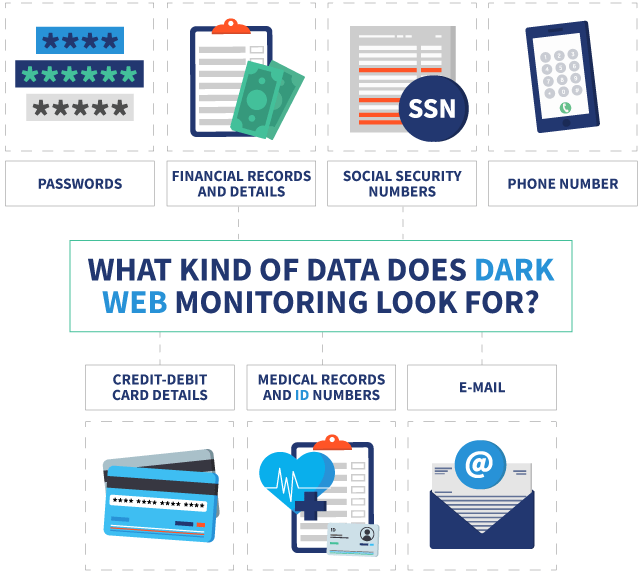
In summary, the dark web operates through a combination of encryption, anonymity tools, and specialized marketplaces, creating a parallel online ecosystem. Understanding how the dark web works helps clarify its role in global cybersecurity and informs strategies to combat illegal activities. While it provides a space for privacy-sensitive activities, its hidden nature also facilitates illicit dealings that are difficult to control or regulate.
Security and Law Enforcement Challenges
The dark web presents significant security and law enforcement challenges due to its anonymous nature and encrypted communications. Authorities struggle to monitor illegal activities such as drug trafficking, cybercrime, and weapons trade conducted on these hidden networks. Understanding how the dark web works is essential for developing effective strategies to combat illicit operations while respecting privacy rights. The dark web functions as a concealed part of the internet accessible only through specialized software that anonymizes user identities and locations. This hidden environment allows individuals to share information and conduct transactions without fear of detection, but it also facilitates illegal activities. To gain a deeper understanding of the mechanics behind these hidden networks, explore how does the dark web work and its implications for security and law enforcement efforts. This knowledge is crucial in balancing privacy rights with the need for security in an increasingly digital world. For a comprehensive overview on how the dark web operates, visit this detailed guide and learn more about its intricacies and associated risks.
Site Disappearances and Rapid Re-addressing
The dark web operates as a hidden part of the internet, accessible only through specialized software that ensures anonymity and privacy. This hidden network hosts a variety of content, some of which is lawful, while other parts support illegal activities. Understanding how the dark web works involves grasping the layers of protection that conceal user identities and site locations from traditional tracking methods.
One of the primary challenges associated with the dark web involves security and law enforcement efforts. Because users and site operators often remain anonymous, it becomes difficult for authorities to identify and apprehend those involved in illegal activities. This anonymity is facilitated by encryption technologies and routing protocols such as the Tor network, which anonymizes internet traffic by relaying it through multiple nodes. As a result, *law enforcement faces significant hurdles when investigating crimes* such as drug trafficking, illegal weapons sales, or child exploitation happening on the dark web.
Site disappearances are another common issue in the dark web ecosystem. Many clandestine sites will go offline suddenly, often due to law enforcement shutdowns, internal conflicts among operators, or the operators choosing to cease operations for safety reasons. These disappearances can disrupt illegal markets, making it difficult for users to rely on specific sites for their needs. Additionally, the transient nature of these sites complicates efforts to monitor illicit activities continuously.
Rapid re-addressing is a strategy frequently used by dark web site operators to maintain their presence despite shutdowns. When a site is taken down, operators quickly set up new addresses and promote re-entry through various channels. This *rapid re-addressing demonstrates how resilient and adaptable illicit networks are*, frequently changing domains or hosting environments to evade detection. For law enforcement, this constant shifting requires persistent resource investment and advanced techniques to track and infiltrate these evolving platforms.
- Understanding how the dark web works highlights the importance of enhanced security measures for users and organizations alike.
- Addressing the challenges of site disappearances and rapid re-addressing requires coordinated efforts, technological innovation, and legal strategies.
- Balancing privacy protections with security concerns remains an ongoing debate as authorities seek effective ways to combat criminal activities without infringing on legitimate privacy rights.
Law Enforcement Tactics
The dark web is a hidden part of the internet that isn’t indexed by standard search engines and requires specific tools and knowledge to access. It operates on a network called the deep web, which includes private databases, membership sites, and other restricted content, but the dark web is a subset designed for anonymity and privacy. How does the dark web work involves the use of specialized software, most notably the Tor network, which allows users to browse anonymously by routing their traffic through multiple servers around the world. This method encrypts data at each step, making it difficult for anyone to trace the origin or destination of the information.
- Tor is a decentralized network that bounces a user’s internet traffic through a series of relays, making it difficult for anyone to trace the origin of the data.
- Learn how CrowdStrike can help protect your brand and data with CrowdStrike Falcon® Adversary Intelligence.
- It has become an essential resource for individuals seeking to bypass censorship, protect their identity, or access websites and services on the Dark Web.
- Often misunderstood, the Dark Web offers both legitimate uses and illegal activities.
- The dark web is a part of the internet hidden from the general population that requires special software to access.
Law enforcement agencies face numerous security and legal challenges when investigating activities on the dark web. The high level of anonymity and encryption makes it difficult to identify users and pinpoint illegal transactions. As a result, authorities often rely on advanced cyber forensics, undercover operations, and international cooperation to combat illicit activities such as drug trafficking, illegal arms sales, and cybercrime. How does the dark web work by providing a decentralized, encrypted environment, complicates the efforts of law enforcement to monitor and regulate. Tactics such as monitoring darknet marketplaces, infiltrating criminal networks, and analyzing digital footprints are commonly employed, but they require significant resources and expertise.
Despite the odds, law enforcement continuously adapts by developing new tactics and leveraging technological advancements to combat criminal activities on the dark web. Public education on security practices and digital surveillance are also crucial components in addressing these challenges. Overall, understanding how the dark web works is essential for developing effective strategies to ensure security and uphold the rule of law in the digital age.
Use of Monitoring and Intelligence Tools
The dark web operates as a hidden layer of the internet that is not indexed by standard search engines and requires specialized tools to access. Unlike the surface web, which is easily accessible through common browsers, the dark web is designed to provide anonymity and privacy for its users. This anonymity is achieved through a combination of encryption, routing traffic through multiple servers, and the use of specialized software such as Tor (The Onion Router). When exploring how the dark web works, it becomes clear that it facilitates both legitimate privacy needs and illicit activities due to its concealed nature.
One of the primary challenges for security and law enforcement agencies in monitoring the dark web stems from its inherent focus on user anonymity and encryption. Law enforcement agencies face significant hurdles in tracking individuals involved in illegal activities, as the tools used to access the dark web intentionally obscure identities and locations. This makes it difficult to gather intelligence and conduct investigations, especially against organized crime networks that exploit these technologies for trafficking, fraud, or hacking.
To combat these challenges, authorities leverage a range of monitoring and intelligence tools designed to identify patterns and gather evidence within dark web marketplaces and forums. These tools include sophisticated data analysis and digital forensics techniques aimed at uncovering operational links and revealing hidden actors. However, the use of these tools raises serious ethical and legal questions surrounding privacy rights and civil liberties, necessitating a balanced approach that respects individual privacy while ensuring security.
The complexities surrounding how the dark web works pose ongoing challenges for security and law enforcement. Monitoring activities require continual adaptation to changes in technology and tactics used by malicious actors. As a result, agencies invest in specialized training, technological advancements, and international collaboration to strengthen their capabilities. Despite these efforts, the clandestine nature of the dark web means that complete oversight remains difficult, and it continues to serve as both a tool for privacy and a hub for unlawful conduct.
Cryptocurrency and Payment Methods
Cryptocurrency has revolutionized the way we perceive and conduct financial transactions, offering a decentralized and often anonymous means of exchange. Paired with diverse payment methods, digital currencies are becoming increasingly integrated into daily commerce, providing convenience and security for users worldwide. Understanding how these innovative payment options function is essential in the evolving digital economy, especially when exploring the hidden layers of the internet such as the dark web.
So, how does the dark web work? It operates as a part of the internet that isn’t indexed by standard search engines and requires specific tools like Tor to access. The dark web hosts a variety of content and marketplaces that operate beyond the reach of traditional oversight, often facilitating anonymous transactions. Cryptocurrency plays a significant role here, enabling users to buy and sell goods and services with relative privacy. For those interested in gaining a deeper understanding, detailed insights into how does the dark web work can be found through educational resources and guides that explain the technical intricacies of this hidden internet layer. Recognizing how cryptocurrencies and payment methods are utilized within the dark web helps to shed light on its complex operations and associated risks.
Impact of Bitcoin and Digital Currencies

The dark web is a hidden part of the internet that is not indexed by standard search engines and requires specialized software to access. It functions as a subset of the deep web, which includes anything not accessible through conventional browsers. Understanding how the dark web works involves examining its infrastructure, privacy mechanisms, and the role of cryptocurrencies within this environment.
One of the key features of the dark web is its reliance on anonymizing tools like Tor (The Onion Router), which routes users’ internet traffic through a series of encrypted servers worldwide. This process masks IP addresses and helps maintain anonymity for both visitors and hosts. When exploring how the dark web works, it becomes clear that this system enables users to communicate, buy, or sell goods and services without easily revealing their identities.
Cryptocurrencies, especially Bitcoin and other digital currencies, have had a significant impact on payment methods used on the dark web. Unlike traditional payment systems, cryptocurrencies offer a degree of privacy and decentralization that aligns with the dark web’s emphasis on anonymity. Transactions are recorded on blockchain ledgers, but the pseudonymous nature of Bitcoin allows users to conduct exchanges with relative privacy, encouraging its widespread use in illicit markets.
Despite the allure of anonymous financial transactions, the impact of Bitcoin and digital currencies on the dark web raises concerns related to illegal activities, including drug trafficking, illegal weapons sales, and hacking services. The combination of encrypted communication networks and cryptocurrency payments facilitates a marketplace that is resistant to censorship and law enforcement interference, complicating efforts to combat criminal enterprises.
In conclusion, understanding how the dark web works involves analyzing its underlying infrastructure that ensures privacy, as well as its reliance on cryptocurrencies for secure, anonymous transactions. The evolution and growth of digital currencies have profound implications for both the security and regulation of online markets operating within this hidden part of the internet.
Transaction Processes and Risks
The dark web is a hidden part of the internet that is not indexed by standard search engines and requires specific software, configurations, or authorization to access. Understanding how the dark web works involves grasping the roles of cryptocurrencies, payment methods, transaction processes, and associated risks. This clandestine network often facilitates anonymous transactions, which can be exploited for illegal activities, making it crucial to comprehend its operational framework.
One of the key features enabling the dark web’s functionality is the use of cryptocurrencies, particularly digital assets like Bitcoin and Monero. These digital currencies facilitate pseudonymous or anonymous transactions, which are essential for maintaining user privacy in such an environment. Unlike traditional payment methods, cryptocurrencies do not require personal information, allowing users to transact without revealing their identities.
The transaction process on the dark web typically involves several steps:

- Purchasing cryptocurrencies through exchanges or peer-to-peer platforms using regular payment methods such as bank transfers or credit cards.
- Transferring the purchased cryptocurrencies to a privacy-focused wallet, ensuring secure storage and control over funds.
- Using the wallet to make payments on dark web marketplaces or for direct transactions with vendors.
- Receiving goods or services, often in exchange for the cryptocurrencies sent during the transaction.
Despite the advantages of pseudonymity, engaging in dark web transactions involves specific risks. These include exposure to scams, hacking, and law enforcement actions. Cryptocurrency transactions, while providing a layer of privacy, are irreversible, meaning that if a scam occurs or funds are stolen, recovery is nearly impossible. Additionally, vulnerabilities in wallet security or malware can compromise user data and funds.
To understand how does the dark web work, it is essential to recognize its reliance on encrypted networks and anonymity tools such as Tor (The Onion Router). Tor anonymizes user activity by routing communications through multiple servers worldwide, making it difficult to trace. This layered encryption provides users with access to hidden websites, often with .onion addresses, which are not accessible through standard browsers.
In conclusion, the dark web operates as an underground network that emphasizes privacy, often leveraging cryptocurrencies for anonymous transactions. While it offers certain advantages for privacy-conscious users, it also entails significant risks. Navigating this environment requires a thorough understanding of its transaction processes and the inherent dangers associated with unregulated digital currencies and hidden online spaces.
Risks and Fraud on the Dark Web
The dark web is a hidden part of the internet that operates outside the reach of standard search engines and browsers. It offers anonymity and privacy for users, which can be both beneficial and risky. One of the significant concerns associated with the dark web is the prevalence of risks and fraud, including illegal transactions, hacking, and the exchange of illicit goods. Understanding how does the dark web work is essential to grasp the potential dangers and the mechanisms behind these activities. The dark web utilizes specialized software, such as Tor, to anonymize users and host websites that are not indexed by traditional search engines. This layer of invisibility makes it difficult for authorities to monitor or regulate activities, thereby creating a fertile ground for cybercriminals and fraudsters. For those interested in exploring or learning more about the operational aspects, resources such as how does the dark web work offer valuable insights into this complex landscape. Being aware of these risks is crucial for anyone venturing into or studying the dark web to better understand the potential threats and how to protect oneself from fraud.
Scams, Fake Listings, and Disappearances
The dark web is a segment of the internet that is not indexed by traditional search engines and requires specific software or configurations to access. It functions as a hidden layer where users can browse and communicate with a greater degree of anonymity. This unique environment facilitates both legitimate activities and illicit operations, leading to significant risks and dangers including scams, fraud, fake listings, and disappearances of digital identities or assets.
One of the primary ways the dark web works is through encrypted networks such as Tor, which anonymize user identities and locations. This makes it difficult for law enforcement and other entities to trace activities back to individuals. However, this same feature attracts malicious actors who exploit the cloak of anonymity to conduct illegal transactions, including the sale of stolen data, weapons, drugs, and counterfeit items.
Risks on the dark web are heightened due to the prevalence of scams and fraud. Unsuspecting users may encounter fake listings that promise goods or services but are entirely fraudulent, leading to financial loss or data theft. Scammers often create convincing fake marketplaces or impersonate legitimate sellers to deceive users. Additionally, there are scam schemes that trick users into revealing sensitive information or installing malware, which can compromise personal or financial security.
Disappearances of digital identities or assets are also common on the dark web. Criminals might use this environment to launder money, hide stolen data, or cover tracks after illegal activities. They may also disappear after scamming others, making it difficult for victims or authorities to locate or recover assets. This creates an unpredictable and risky landscape for anyone engaging in transactions or research on the dark web.
Understanding how the dark web works is crucial to recognizing the potential dangers inherent in its use. While it offers privacy and anonymity for legitimate purposes such as journalism or activism, the risks of scams, fraudulent listings, and disappearances underscore the importance of caution and awareness when navigating this hidden part of the internet.
Marketplace Reliability and Trust Issues
The dark web is a hidden part of the internet that requires specialized software and configurations to access. It operates on a network called the Tor network, which anonymizes user identities and locations, making it difficult to trace activity. How does the dark web work? It relies on layered encryption to conceal both users and website hosts, ensuring privacy and anonymity for those who use it. This unique setup facilitates a range of activities, some lawful and others illicit, contributing to various risks and concerns.
One major issue associated with the dark web is the prevalence of risks and fraud. Due to its anonymous nature, it becomes a haven for malicious actors involved in illegal trade, scams, and cybercrime. Buyers and sellers often operate with little oversight, increasing the likelihood of scams or theft. Sellers may deliver counterfeit or substandard goods, while buyers risk losing money or personal information without recourse.
Marketplace reliability and trust issues are also significant challenges on the dark web. Since there is no centralized authority or enforcement, reputation systems are often manipulated or unreliable. Users rely heavily on peer reviews and encrypted communication, but these can be falsified, making it difficult to determine the legitimacy of vendors and transactions. As a result, consistent trust is hard to establish, and newcomers may be especially vulnerable to falling prey to scams.
Understanding how the dark web works is essential to appreciate both its potential and the inherent dangers it poses. While it provides a platform for privacy and free expression in some contexts, the risks of fraud and the persistent trust issues highlight the need for caution and awareness when navigating this hidden part of the internet.
Value and Purpose of the Dark Web
The dark web is a hidden part of the internet that operates separately from the surface web, offering a space where users can communicate and share information with a higher level of anonymity. Its value lies in providing privacy for sensitive activities, protecting whistleblowers, journalists, and individuals in restrictive environments. Understanding how does the dark web work is essential to grasp its role and significance in today’s digital landscape.
Whistleblower and Privacy Services
The dark web is a hidden part of the internet that operates separately from the surface web, accessible only through specialized software such as Tor. Its primary purpose is to provide anonymity and privacy for users who seek to protect their identities online. The dark web serves various functions, including the exchange of sensitive information, clandestine communication, and the facilitation of activities that require confidentiality.
An important aspect of understanding how the dark web works involves recognizing its value and purpose. It acts as a sanctuary for whistleblowers, journalists, and activists who need to share information securely without fear of censorship or persecution. Privacy services on the dark web enable users to communicate and share data without exposing their identities, which is crucial in contexts where revealing one’s identity could lead to harm or retaliation.
Moreover, the dark web’s architecture is designed to maintain user anonymity through encryption and routing techniques that make tracing activities difficult. This setup supports a wide range of activities, from legitimate uses like privacy protection to illicit trades. When discussing how does the dark web work, it’s essential to understand its ability to safeguard privacy while also presenting challenges in regulating illegal content.
Overall, the dark web holds significant value for users seeking privacy and freedom of expression, serving as a vital platform for whistleblowers and privacy services. Its purpose extends beyond illegal activities, offering a space where sensitive information can be exchanged securely and confidentially, ensuring that individuals can operate with a higher degree of anonymity in an increasingly interconnected world.
Communication in Hostile Environments
The dark web serves as a hidden part of the internet designed to operate separately from the surface web, offering both opportunities and challenges for its users. It functions as a platform where privacy and anonymity are prioritized, enabling users to communicate and exchange information without revealing their identities. Understanding how the dark web works is essential to grasp its value and purpose, especially in environments where secure communication is crucial.
The primary value of the dark web lies in its ability to facilitate anonymous communication and data sharing, which is vital for activists, journalists, and whistleblowers operating in hostile or oppressive environments. By providing a layer of anonymity, the dark web allows individuals to bypass censorship, report sensitive information, or connect with others without fear of surveillance or retaliation. This environment fosters free expression and helps protect individuals from repressive regimes.
Furthermore, the dark web has a significant role in the realm of secure communication, especially in conditions where traditional channels are compromised. It allows encrypted messaging and private forums, ensuring that sensitive discussions remain confidential. This makes the dark web an essential tool for those who need to maintain privacy, such as political dissidents or foreign correspondents in danger.
Understanding how the dark web works involves recognizing that it is composed of networks that are not indexed by standard search engines and require specific software to access, often using anonymizing tools like Tor. These tools route user traffic through multiple nodes, encrypting data along the way, which helps mask identity and location. Users connect to hidden services or sites hosted within this network, which are not accessible through regular browsers.
- Access to the dark web requires specialized browsers that facilitate anonymous connections.
- Websites on the dark web often operate as hidden services with URLs ending in “.onion”.
- The routing process involves passing data through multiple relays to obfuscate origins.
- This layered encryption and routing process protect user identity and activity from surveillance.
In sum, the dark web’s unique architecture and focus on privacy serve essential purposes for individuals operating under surveillance or censorship. By understanding how the dark web works, users can better appreciate its role in supporting secure communication in hostile environments, enabling vital exchanges of information while maintaining anonymity and safety.
Educational and Political Resources
The dark web is a hidden part of the internet that is not accessible through traditional search engines or standard web browsers. It operates on overlay networks, which require specialized software such as Tor or I2P to access. Understanding how the dark web works involves recognizing that it provides a private and anonymous environment for users, often used for sensitive activities, free expression, or accessing otherwise restricted information.
The primary purpose of the dark web is to offer a platform for individuals seeking privacy and security online. This environment supports educational efforts by facilitating the sharing of knowledge in countries with restrictive censorship laws and providing a space for whistleblowers and journalists to communicate safely. Moreover, it serves as a conduit for political activism, enabling groups and individuals to organize, disseminate information, and voice dissent without fear of surveillance or retaliation.
At its core, the dark web works by encrypting users’ communications and routing data through a series of relays, making it exceedingly difficult to trace activity back to specific individuals. This process preserves anonymity and helps protect both the identity of users and the sources of information. While some use the dark web for legitimate educational and political reasons, it is also known for hosting illegal marketplaces and illicit content. However, understanding how the dark web works sheds light on its dual nature—serving as both a tool for free expression and a potential space for unlawful activities.
Monitoring and Awareness
Monitoring and awareness play crucial roles in understanding complex digital environments, especially when exploring hidden facets of the internet like the dark web. These practices enable individuals and organizations to identify threats, gather valuable insights, and maintain security in an often opaque online landscape. Gaining a clear understanding of how does the dark web work helps demystify its functions and the way users navigate this concealed network. By staying vigilant and informed, stakeholders can better assess risks and develop strategies to operate safely within or study the dark web. For those interested in a detailed exploration, learning about its underlying mechanisms reveals how anonymous communication and encrypted networks facilitate activities beyond the reach of traditional search engines. To deepen your knowledge, you can explore resources that provide comprehensive insights into how does the dark web work and its complexities. Understanding these elements is essential for anyone seeking to navigate or regulate this dark corner of the internet effectively.
Threat Intelligence Gathering
The dark web operates as a hidden part of the internet that isn’t indexed by traditional search engines and requires specialized tools to access. It functions on anonymizing technology that masks users’ identities and locations, providing a layer of privacy for various activities, both legitimate and illicit. Understanding how the dark web works involves grasping the way it facilitates anonymous communication, transactions, and information sharing outside the reach of conventional oversight.
Maintaining effective monitoring and awareness is crucial for security professionals aiming to understand threats emerging from the dark web. This process involves the continuous gathering of threat intelligence—analyzing data from various sources to identify potential risks before they impact organizations. Such intelligence gathering involves monitoring forums, marketplaces, and communication channels where malicious actors may discuss or plan cyber activities.
Threat intelligence gathering on the dark web requires sophisticated tools and methods that can navigate its concealed environment. These tools help in uncovering discussions related to data breaches, hacking tools, and illicit sale of sensitive information. By systematically tracking these activities, organizations can gain predictive insight into emerging threats, allowing them to implement proactive defenses.
Understanding how the dark web works also involves recognizing the importance of threat awareness at an organizational level. Security teams should establish routines to collect, analyze, and interpret dark web intelligence, enabling them to detect early warning signs of cyberattacks. This proactive approach not only helps in thwarting potential incidents but also in understanding the tactics, techniques, and procedures used by cybercriminals operating within these hidden layers of the internet.
Overall, effective monitoring and awareness of the dark web are vital components of a comprehensive cybersecurity strategy. By engaging in targeted threat intelligence gathering, organizations stay informed about the evolving landscape of cyber threats and can better protect their assets from malicious activities that happen behind the scenes of the internet. This knowledge supports a proactive defense posture and enhances resilience against cyber threats emerging from the dark web.
Use by Organizations for Security Purposes
The dark web serves as a hidden part of the internet that is not accessible through standard search engines or browsers. It operates on a layered network technology that provides users with increased privacy and anonymity. Many organizations leverage monitoring and awareness tools to track activities on the dark web, primarily for security purposes such as detecting potential threats or data breaches. Understanding how the dark web works helps organizations develop effective strategies to safeguard their digital assets and maintain security integrity.
One of the core aspects of how the dark web operates involves the use of specialized software and configurations that conceal user identities and locations. This setup enables individuals and entities to communicate without revealing their true identities, making it a fertile ground for illicit activities. Organizations utilize monitoring tools to scan for mentions of their brand, leaked data, or suspicious activities that could signify security concerns. These efforts are crucial in detecting and responding to potential threats originating from or targeted at the dark web.
Monitoring activities on the dark web can be organized through the following approaches:
- Implementing specialized dark web monitoring tools that crawl and scan hidden sites for relevant keywords or data leaks.
- Using threat intelligence platforms to receive alerts on emerging threats or criminal activities associated with the organization.
- Engaging cybersecurity teams to analyze findings and assess the risk levels of detected activities.
- Educating employees and stakeholders about dark web threats to improve overall security awareness.
By maintaining a high level of awareness, organizations can proactively identify breaches or malicious intentions early, reducing potential damage. This is especially important given how the dark web functions, enabling covert communication and data exchange outside the reach of conventional oversight. Overall, effective monitoring and heightened awareness are vital components in defending digital environments against evolving threats originating from the dark web landscape.